Author

Emily James

Advertising

When you’re choosing a film for a child, you’re looking for more than just a “cartoon.” You’re looking for a story you can watch together—without boredom, without silly jokes, without emptiness. Fortunately, foreign cinema offers dozens of films where animation isn’t just “for kids,” but an art form accessible to all ages.

The first is “The Lion King” (1994). This isn’t just a cartoon about a lion cub. It’s an epic saga about loss, responsibility, and returning home. Elton John’s music and the voices of Matthew Broderick and James Earl Jones create an atmosphere reminiscent of a musical. A child sees friendship and adventure. An adult sees tragedy and hope.

The second is “WALL-E” (2008). The first 40 minutes are dialogue-free. Just music, glances, and gestures. And yet, this is one of Pixar’s most touching films. It teaches us that love, loneliness, and caring for the planet aren’t “adult” themes. They’re important from the very beginning.

The third is “Hachiko: A Dog’s Tale” (2009). Although it’s not animated, it’s definitely worth watching. The story of a dog who waited 10 years for his owner isn’t manipulative. It’s a lesson in loyalty, love, and unconditional acceptance. Yes, you cried. But even a child will remember: to be loyal means to be strong.

The fourth is “Arthur and the Minimoys” (2006). A French fantasy with Luc Besson at its core. A little boy finds himself in a world of tiny creatures—and becomes a hero. It has magic, adventure, and family values, but without any heavy-handed morals.
Pages: 1 2

Advertising

The Isle of Wight is a pearl in the English Channel, beloved by Queen Victoria, poets, and sailors. It’s a place where time slows down, the sea whispers in your ear, and every sunset feels like summer’s final gift.

Start in Ryde, a port town with Victorian architecture. Take a ride on the tiny Isle of Wight Steam Railway, and you’ll be transported back to the 19th century. A steam locomotive, wooden carriages, and the smell of coal—it’s not just a ride. It’s living history.

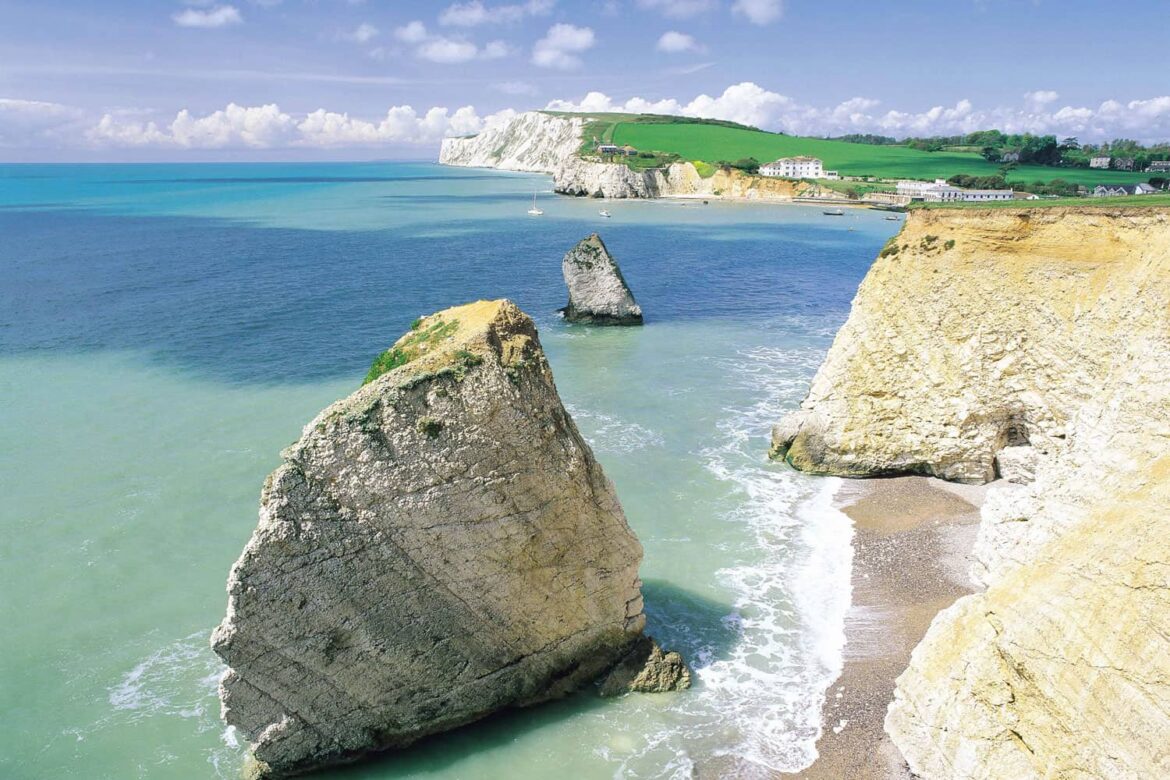
Head to Culborough Point, the easternmost point of the island. Here you’ll find white cliffs like those at Dover, but without the crowds. Below are caves where, according to legend, King Charles II hid. And in the water, dolphins.

Visit Osworthy Bay, one of Britain’s most beautiful beaches. The sand is golden, the water is clear, and the cliffs are like guardians. In summer, there’s yoga on the beach; in winter, it’s just you, the wind, and the sea.

Don’t miss Ventnor, a resort village with a tropical garden. Palms, cypresses, and bananas grow here, thanks to the microclimate. It’s the only place in Britain where wine grapes are grown.

Pages: 1 2

Advertising

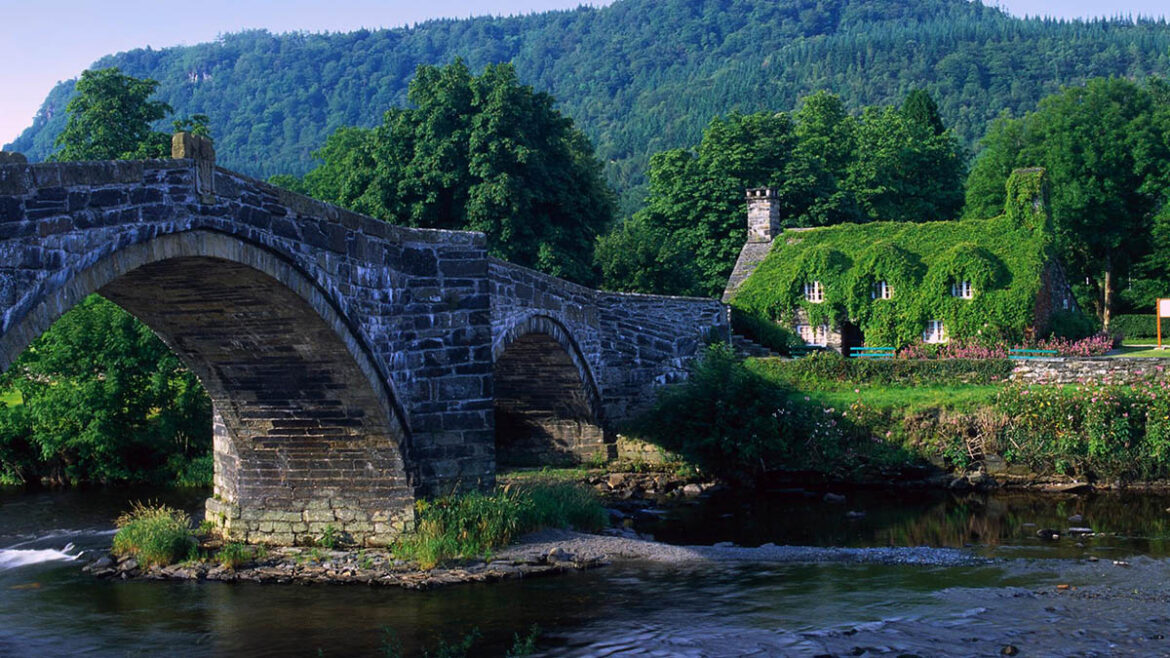
Wales is a country often overlooked in the rush to England or Scotland. But it is here that Britain truly shines. Here, they speak an ancient Celtic language, sing in choirs in churches, and every hill has a name and a legend.

Start in Cardiff, the capital, where modernity coexists with castles. Stroll through the Castle Quarter, visit the National Museum Cardiff, and you’ll understand how Wales fought for its identity.

Then head to Snowdonia, a national park home to Mount Snowdon. The climb isn’t for the records, but for the views. From the summit, you’ll see six counties, and on a clear day, even Ireland. You can ascend on foot or on the historic railway, built in 1896.

Visit Conwy Castle, a 13th-century fortress with perfect symmetry. Walk along its walls, and you’ll feel time shrink. There are no crowds here. Just you, the stone, and the wind.

Don’t miss the Pembrokeshire coastline—one of the most beautiful in Europe. Here you’ll find caves, arches, and secluded beaches. The village of St. David’s is Britain’s smallest town, with a sixth-century cathedral. There are no souvenirs here. There’s a prayer in stone.

Pages: 1 2

Advertising

The Scottish Highlands aren’t just mountains. They’re a test of the soul. There are no Instagram-perfect landscapes here. There are rain, fog, bogs, and a wind that blows everything unnecessary out of you. But it’s here that you realize: nature isn’t for decoration. It’s for returning to yourself.

Start in Fort William, the gateway to the Highlands. The famous West Highland Way begins here. But even if you’re not hiking, just walk to the outskirts of town and gaze at Ben Nevis, Britain’s highest mountain. It’s not majestic. It’s stern and aloof.

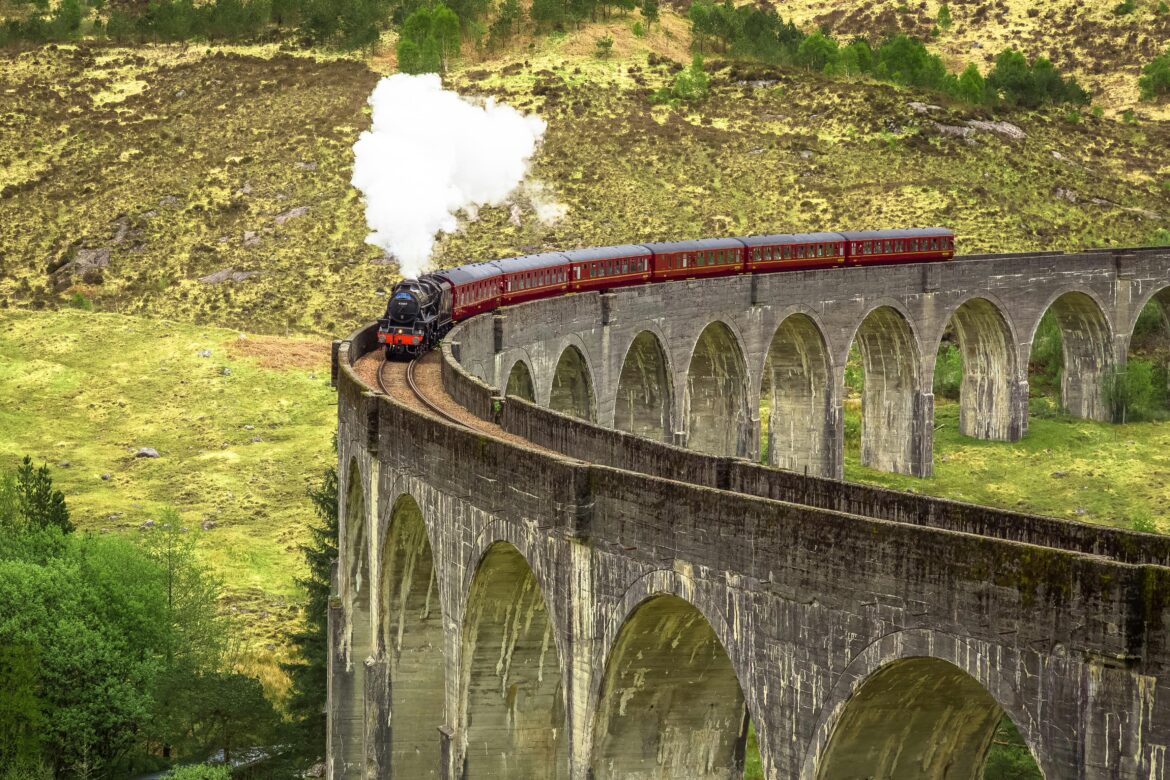
Head to Gleneagles, a valley of lakes and castles. Harry Potter was filmed here (Glenfinnan Viaduct), but the real magic isn’t in the movies, it’s in the silence by the lake. Sit by the shore, gaze at the water—and you’ll understand why the Scots believe in spirits.

Visit Eilean Donan Castle, the most photographed in Scotland. It stands on three lakes, like a ship ready to sail. Inside, there’s no luxury, but a history of clans, wars, and loyalty. Here, you don’t feel like a tourist. You feel like a guest in the ancient world.

Pages: 1 2

Advertising

Cornwall is not England. It’s a world apart, lost in southwest Britain, where King Arthur is spoken of as a neighbor, and every sunset seems like the last on Earth. This is a land of cliffs, a turbulent ocean, ancient megaliths, and villages clinging to the cliffs.

Start in St. Ives—a picturesque fishing town with white houses, narrow streets, and contemporary art galleries. Sculptor Barbara Hepworth lived and worked here. Her house-museum is more than just an exhibition, it’s a portal to a world of creativity. And in the evening, take a stroll along Porthminster Beach, where the water is so clear it feels like the Caribbean.

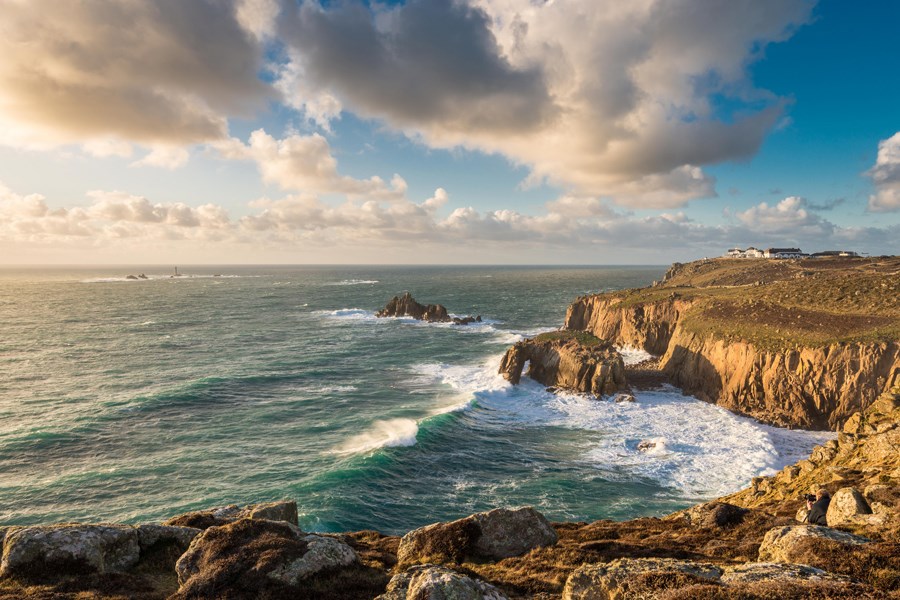
Then head to Lizard Point—the southernmost point of England. Here, the ocean meets the continent without compromise. The wind is so strong that the trees grow horizontally. On the cliffs stands a lighthouse built in 1751. Beneath it lie mysterious underground tunnels, rumored to have been used by smugglers.

Visit Tintagel, the birthplace of King Arthur. The castle stands on a cliff, divided by a chasm. A glass bridge was recently built here, allowing you to walk over the abyss—where legend becomes reality. Even if you’re a skeptic, the atmosphere will make you a believer.

Don’t miss the Minack Theatre, an amphitheater hand-hewn from the cliff by a retired sailor in the 1930s. Every summer, Shakespeare is performed here. Imagine: you’re sitting on stone benches, the Atlantic behind you, The Tempest in front of you… This isn’t theater. It’s a ritual at the junction of land and ocean.

Pages: 1 2

Advertising

Yorkshire is more than just a county. It is the soul of England, where time moves more slowly, tea and cakes are served in 17th-century pubs, and every road leads to hills, castles, or misty valleys. It lacks the bustle of London, but what makes Britain worth visiting is real life, without the facades.

Start in York, a city with Roman roots and a medieval heart. Stroll along the Shambles, a narrow street with overhanging houses where, according to legend, Harry Potter lived. Visit York Minster, one of the greatest Gothic churches in Europe. Here, every statue, every stained-glass window tells a story of faith, war, and hope.

Then head to the Peak District National Park. These aren’t mountains in the traditional sense, but rolling hills covered with heather and sheep. Locals call them “the soft mountains.” Take a stroll along the Mam Tor trail, and you’ll understand why 19th-century poets found inspiration here. The valley views are endless, the silence absolute.

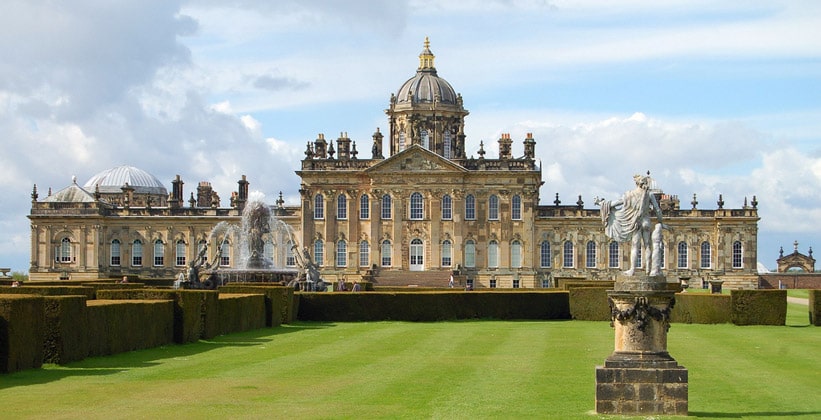
Don’t miss Harvog Castle, a cliff-top castle whose appearance is radically different from the typical “stone giant.” It’s not aggressive—it blends into the landscape, like nature. Inside, there’s no armor, but cozy rooms with books and fireplaces. This is a castle not for war, but for living.

Visit Helmsley, a village where time stood still in the 18th century. There are no souvenir shops here. There’s a bakery selling pies, a pub serving local ales, and people greeting each other on the street. This is real England, impossible to photograph, but possible to experience.

Pages: 1 2

Advertising

Approval addiction is a search for external confirmation of your worth. You check photos to see if they liked you, reread messages, look for signs that “everything is okay.” And every time approval isn’t there, you feel empty. But the problem isn’t that you’re not being praised. The problem is that you’ve given yourself the right to be enough.

The first step is to notice whose approval you’re seeking. Parents? Coworkers? Friends? Algorithms? Often, these are people whose opinions are no longer relevant to your life. But you still live to get an A from someone who dropped out long ago.

Second, ask yourself: “How do I feel when I don’t receive approval?” Fear? Shame? Panic? These feelings aren’t about “not being enough.” They’re about the wound of rejection instilled in childhood. And they need self-compassion, not approval.

Third, start keeping an “inner approval journal.” Every day, write down three things you’re happy with about yourself—without judging others. “I listened to my colleague today.” “I chose healthy food.” “I allowed myself to relax.” This is a gradual shift in focus from the external to the internal.

Fourth, stop asking for validation. Don’t ask, “Do I look okay?” Don’t double-check, “Are you angry?” Don’t look for, “Did someone like me?” Every request is a transfer of power to someone else. And your strength lies in your inner “yes.”

Fifth, trust yourself, even if you make mistakes. Mistakes aren’t proof of inadequacy. They are data. And you have the right to learn from your decisions, not wait for others to approve.

Pages: 1 2

Advertising

Rest isn’t about lying on the couch. It’s about resting your nervous system. But many of us lie there for hours and still feel tired. Because our bodies are resting, but our minds are working at full capacity: analyzing, planning, criticizing, mulling over everything. This isn’t rest. It’s exhaustion in slow motion.

Myth One: “If I’m not productive, I’m worthless.” This is a belief ingrained in childhood. We believe: value equals contribution. But humans are not machines. You have the right to exist without results. Your life is already an achievement enough.

The second step is to identify your type of fatigue. It can be physical, emotional, cognitive, or existential. If your muscles are tired, a walk, sleep, or massage will help. If your soul is tired, tears, conversation, and silence will help. If your mind is tired, you need breaks, nature, and non-action. Rest should be commensurate with your fatigue.

Third, turn off “background mode.” Even on vacation, many people check email, think about work, and plan their return. This is chronic stress. True rest begins when you tell yourself, “Right now, I’m not responsible for anything.” This isn’t laziness. It’s a prerequisite for recovery.

Fourth, plan rest as a meeting with yourself. Not “I’ll rest if I have time.” But “I have a meeting with myself at 4:00 PM for 30 minutes.” No phone. No tasks. Just you, tea, and silence. This is a ritual of self-respect.

Pages: 1 2

Advertising

Conflict isn’t destruction. It’s an attempt to connect. But many of us fear conflict because we were taught as children, “Argument is bad. Agreement is love.” We grew up believing that peace = silence, and tension = danger. But silence isn’t always peace. Sometimes it’s a disguised misunderstanding that has been building for years.

The first step is to redefine conflict. It’s not a battle. It’s a dialogue with different points of view. Healthy relationships aren’t ones without conflict. They’re ones where there’s respect even in disagreement.

Second, learn to distinguish between “I feel” and “you do.” Instead of “You’re ignoring me!” say, “When I don’t hear back from you, I feel unimportant.” This isn’t an accusation. It’s an invitation to understanding. And it opens the door, not closes it.

Third, don’t try to “win.” The goal of conflict is not to humiliate, prove, or win. The goal is to be heard and to understand the other person. If you leave the conversation feeling, “We understand each other better,” you’ve won, even if you didn’t get your way.

Fourth, allow yourself to be angry. Anger is not the enemy. It’s a signal of a boundary violation. Suppressed anger turns into resentment, passive aggression, and withdrawal. Expressed anger, however, fuels change. The key is not to attack the other person, but to speak from your own experience.

Pages: 1 2

Advertising

Loneliness isn’t about the absence of people. It’s about a lack of understanding. You can be with friends, at a family dinner, in a relationship—and still feel, “I’m not seen. I’m not heard. I’m here, but I’m not.” It’s not your fault. It’s a sign that you’re not connected to yourself.

The first level of loneliness is external. No one really listens to you. You speak, and they respond not to your words, but to your mood. This is painful. But the second level is internal: you don’t listen to yourself. You ignore your feelings, suppress your desires, consider them “stupid.” And then, even if someone comes, you can’t accept them because you don’t believe you deserve to be heard.

The second step is to stop and ask yourself: “What am I feeling right now?” Not “what I should feel.” Not “what’s normal.” But simply—what is. Maybe it’s anger. Maybe it’s fear. Maybe it’s emptiness. Allow this feeling to be. Don’t analyze it. Simply acknowledge its existence. This is the first bridge to yourself.

Third, stop saving others from your loneliness. Many enter into relationships not out of love, but out of a desire to “stop being alone.” But this is a trap. You become attached not to the person, but to your hope: “Now I’m not alone.” And when the person doesn’t live up to this hope, you feel betrayed. But they were just being themselves. And you were looking for salvation.

Fourth, loneliness is not an enemy. It’s a signal. It says, “You’ve abandoned yourself.” It doesn’t demand you find someone else. It asks: come back to yourself. Take time to be quiet. Take a walk without your phone. Write a letter to yourself. Not for publication, but for communication.

Pages: 1 2

Advertising